
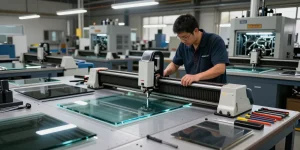
Understanding the Glass Cutting Table: Basics and Benefits
A glass cutting table is an essential piece of equipment in the glass processing industry, designed to facilitate the precise cutting of glass sheets into various shapes and sizes. These tables vary from manual to automated systems, offering users a range of options based on their operational needs. Investing in a high-quality glass cutting table can significantly enhance efficiency, reduce waste, and improve the overall quality of finished products. In this section, we will delve into the fundamental aspects and advantages of using a glass cutting table.
What is a Glass Cutting Table?
A glass cutting table is specifically designed to support the glass and provide a stable surface for cutting operations. It typically features a flat, padded surface that minimizes the risk of damaging the glass during cutting. The tables can vary in size, from small models suitable for craft projects to large industrial setups that accommodate heavy-duty glass sheets.
Key Features of Professional Cutting Tables
- Padded Surface: A soft, padded surface to protect the glass and facilitate smooth cuts.
- Integrated Vacuum Systems: Many modern tables come equipped with vacuum technology that holds glass securely in place during cutting.
- Adjustable Height: Some tables allow for height adjustments, making it easier to work comfortably.
- Built-in Measuring Tools: Precision measuring tools ensure accurate cuts and reduce the likelihood of errors.
- Compatibility with Cutting Machines: Many cutting tables are designed to work seamlessly with CNC machines and other automated systems.
Advantages of Using Modern Glass Cutting Technology
The advancements in glass cutting technology have led to enhanced efficiency and precision in glass processing. Modern cutting tables reduce material waste through advanced scoring techniques, provide safer working conditions, and improve the quality of cuts. By automating aspects of the cutting process, manufacturers can achieve higher production rates while maintaining consistent quality across all products.
Choosing the Right Glass Cutting Table for Your Needs
When selecting a glass cutting table, it’s essential to assess your specific production requirements. The right table will not only enhance your cutting capabilities but also align with your business goals.
Assessing Your Production Requirements
Understanding your production volume, the types of glass you work with, and the complexity of cuts you need to perform are critical factors in determining the best glass cutting table for your operation. For instance, if your business focuses on large-format projects, you will need a table that can accommodate larger glass sheets effectively.
Considerations for Selecting Size and Features
Choose a table that fits your workspace while allowing for future expansion. Consider the features that will best meet your operational needs—such as integrated cutting systems, size adjustments, and safety mechanisms. Collaborating with equipment providers like Zhengke can provide insights tailored to your specific applications.
Comparing Automatic vs. Manual Glass Cutting Solutions
Automatic cutting tables often come with advanced features such as CNC capabilities, which enhance precision and efficiency. Manual tables, while more cost-effective, may require more labor and time, impacting production rates. Assessing your budget and operational objectives will help you choose the best solution.
Best Practices for Operating a Glass Cutting Table
To maximize the effectiveness of your glass cutting table, it’s important to adhere to established best practices that ensure accuracy and safety during operations.
Essential Techniques for Accurate Glass Scoring
Proper scoring techniques are critical for achieving clean cuts. Ensure that the glass is clean, utilize the correct scoring tool, and apply consistent pressure during the scoring process. These practices will minimize chipping and cracking.
Maintenance Tips for Longevity and Performance
Regular maintenance of your glass cutting table will extend its lifespan and maintain cutting precision. Schedule routine checks for wear and tear, clean the surface frequently to remove glass dust, and lubricate mechanical parts as needed to prevent rust and ensure smooth operation.
Safety Protocols in Glass Cutting Operations
Safety should always be a priority when operating glass cutting tables. Ensure that all operators wear appropriate personal protective equipment (PPE), such as gloves and eye protection. Additionally, implement safety training for all staff handling glass to prevent accidents and injuries.
Advancements in Glass Cutting Technology for 2026
The glass processing industry is continually evolving, driven by technological advancements that improve efficiency and precision. Here, we explore some of the key trends and innovations shaping the future of glass cutting technology.
Emerging Trends in Automatic Glass Cutting Tables
In 2026, we can expect to see further integration of automation in glass cutting tables, allowing for seamless operation and higher productivity. Enhanced software algorithms will also allow for better optimization of cutting paths, reducing waste and increasing yield.
Integration of AI and Automation in Glass Processing
The application of artificial intelligence (AI) in glass processing is set to revolutionize the industry. AI-driven systems will streamline operations, allowing for real-time adjustments based on production data. This capability will enable businesses to respond swiftly to market demands.
Future Developments in Glass Cutting Machinery
Manufacturers will likely focus on developing even more specialized glass cutting machinery designed for niche markets, such as energy-efficient insulated glass and safety glass. Innovations in materials and coatings will also play a significant role in enhancing cutting performance.
Real-World Applications and Case Studies
Understanding how advanced glass cutting tables are utilized across various industries can provide valuable insights for potential investment in these technologies.
Successful Implementations of Advanced Glass Cutting Tables
Numerous companies have successfully integrated automated glass cutting tables into their operations, leading to improved output and reduced costs. Case studies reveal that businesses leveraging such technology can achieve production rates up to 50% higher than traditional methods.
Industry Leaders: Who Is Using the Best Equipment?
Many industry leaders, particularly those in architectural glass and automotive glass production, have adopted state-of-the-art glass cutting tables. These companies benefit not only from increased efficiency but also from enhanced precision, resulting in higher product quality and customer satisfaction.
Lessons Learned from High-Performance Glass Cutting Operations
Learning from successful implementations can guide businesses in selecting their cutting solutions. Key lessons often include the importance of investing in quality machinery, continuous operator training, and maintaining a focus on safety standards.
What should I consider before buying a glass cutting table?
Consider factors such as production volume, glass types handled, required precision, and available space in your facility. Aligning these factors with your budget will guide you in making an informed decision.
How often should glass cutting tables be serviced?
Regular servicing is crucial—ideally every 3 to 6 months—depending on usage intensity. Monitoring wear and tear can prevent costly downtime and ensure ongoing precision in cutting operations.
What materials can be efficiently processed with a glass cutting table?
Glass cutting tables are typically designed to handle a variety of materials, including tempered glass, laminated glass, and insulated glass, each requiring specific cutting techniques for optimal results.
Are automatic glass cutting tables worth the investment?
While the initial investment may be significant, the long-term benefits of efficiency, reduced labor costs, and improved product quality often justify the cost for many businesses in the glass processing industry.
What are the safety hazards associated with glass cutting?
Common hazards include sharp edges leading to cuts, shattering glass causing injuries, and the inhalation of glass dust. Maintaining proper safety protocols and using appropriate PPE can mitigate these risks.