Understanding Smart Locks: An Overview
In an increasingly digital world, the need for efficient and secure locking systems has never been more critical. Smart locks, known as قفل هوشمند, have emerged as a popular solution for homeowners looking to enhance their security and convenience. These advanced locking systems allow you to manage access to your home remotely, providing peace of mind whether you're at home or away. In this article, we will delve into the mechanics behind smart locks, their benefits, and what to consider when choosing the best option for your home.
What is a قفل هوشمند?
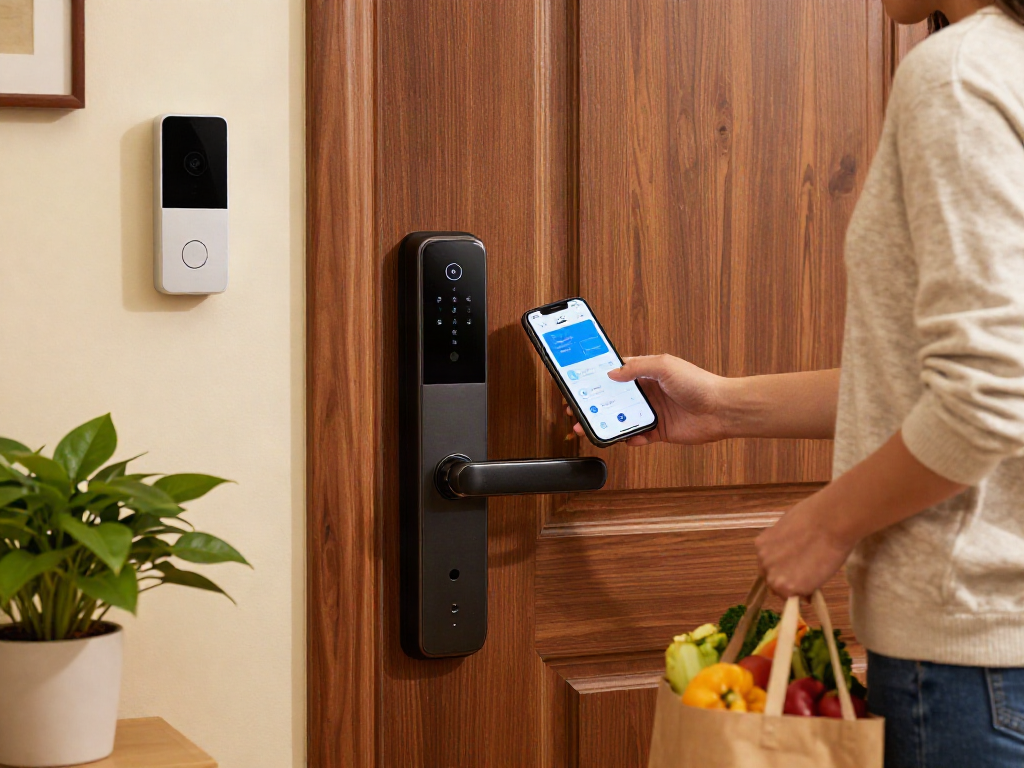
A smart lock is an electronic lock that allows you to control access to your home using a smartphone app, keypad, or even biometric sensors like fingerprints. Unlike traditional locks that require a physical key, smart locks use various technologies, including Bluetooth, Wi-Fi, and Z-Wave, to communicate with your devices. This connectivity offers a wide range of features that enhance both security and convenience, making it easier than ever to manage who enters your home.
How Smart Locks Work
Smart locks operate through a combination of hardware and software. The lock itself is equipped with electronic components that communicate wirelessly with an app on your smartphone or other smart devices. When you want to unlock the door, you can do so through the app, a keypad entry, or even a smart assistant like Alexa or Google Assistant. Depending on the model, some smart locks also offer remote access, allowing you to grant entry to guests or service providers when you're not home.
Benefits of Installing a Smart Lock
- Enhanced Security: Smart locks often come with features like tamper alerts and automatic locking, providing an added layer of protection.
- Convenience: Forgetting your keys becomes a non-issue; access can be managed through your smartphone or other devices.
- Remote Access: Grant or revoke access to visitors in real-time, making it easier to manage who enters your home.
- Integration: Many smart locks can integrate with existing smart home systems for added functionality.
Top Features to Look for in Smart Locks
When exploring options, قفل هوشمند provides comprehensive insights into the features that can significantly impact your user experience. Here are some of the most important features to consider:
Security Features of قفل هوشمند
Security is paramount when it comes to smart locks. Look for models that include:
- Encryption: Ensure the lock uses encryption protocols to protect your data.
- Two-Factor Authentication: Adds an extra layer of security when logging in to the app.
- Audit Trails: Some locks keep a record of who accessed the lock and when.
Integration with Smart Home Systems
Choose a smart lock that can easily integrate with your existing smart home ecosystem, be it Google Home, Amazon Alexa, or Apple HomeKit. This allows for greater control and automation, such as locking the door when you leave home or unlocking it as you approach.
User Convenience Factors
User comfort is essential for any smart lock. Features like a user-friendly app, keyless entry options, and voice control can greatly enhance usability. Additionally, some locks offer temporary access codes for guests or services, adding further convenience.
Best Smart Lock Options for Homeowners
With many brands and models available, selecting the right smart lock can be overwhelming. Here are some of the top options for homeowners in 2026:
Leading قفل هوشمند Brands in 2026
- August Smart Lock: Known for its ease of use and robust features.
- Schlage Encode: Offers built-in Wi-Fi for direct access without a hub.
- Yale Assure: Highly rated for its smart home integrations.
Comparative Analysis of Popular Models
Consider the following popular models and compare their features:
- August Smart Lock Pro: Highly rated for retrofit installations and integration capabilities.
- Schlage Sense Smart Deadbolt: Offers superior battery life and security features.
- Kwikset Halo: Provides a straightforward installation process and reliable performance.
Customer Reviews and Feedback
Reading customer reviews can provide invaluable insights into the performance and reliability of various models. Look for feedback on installation ease, app functionality, and overall satisfaction.
Installation and Setup of Smart Locks
Installing a smart lock can be a straightforward process, but it's essential to follow the correct steps to ensure proper functionality. Here’s a brief guide on how to do it:
Step-by-Step Installation Guide
1. Remove the existing lock according to the manufacturer’s instructions.
2. Install the smart lock's mounting plate securely.
3. Connect the power source, if required.
4. Follow the app prompts to pair the lock with your smartphone.
5. Test the lock multiple times to ensure it operates correctly.
Common Installation Mistakes to Avoid
Many problems can arise during installation, including:
- Improper alignment of the lock and mounting plate.
- Neglecting to update the app or firmware.
- Failing to secure screws tightly, leading to functionality issues.
Troubleshooting Smart Lock Issues
If you encounter problems with your smart lock, consider these troubleshooting tips:
- Reset the lock according to the manufacturer's guidelines.
- Check the battery level and replace it if necessary.
- Make sure the app is updated to the latest version.
Future Trends in Smart Lock Technologies
The smart lock industry is rapidly evolving, with several trends emerging that promise to enhance their functionality and security:
Innovative Developments for 2026
Look forward to features such as:
- Enhanced Biometric Technology: More sophisticated fingerprint sensors and facial recognition.
- AI Integration: Smart locks equipped with machine learning algorithms to predict and respond to user patterns.
Emerging Features and Upgrades
Expect more customizable options to fit individual needs, such as geofencing capabilities that automatically lock and unlock doors based on your location.
The Future of Home Security with قفل هوشمند
The evolution of smart locks signifies a larger movement towards smarter home security systems. As technology develops, homeowners can anticipate increased convenience, enhanced security features, and seamless integration with their smart home devices.